



MOVEMENT LINKS specializes in neuromuscular rehabilitation seminars designed to enhance the clinician’s understanding of the movement system. Presented in a collaborative and stimulating environment, these courses emphasize clinical reasoning and the application of knowledge into clinical practice.
Clare Frank, the director and founder, is a dynamic speaker and widely recognized clinician. Her philosophy of managing musculoskeletal pain is rooted in developmental kinesiology and draws from various manual and neuromuscular approaches.
View On-Demand Webinars
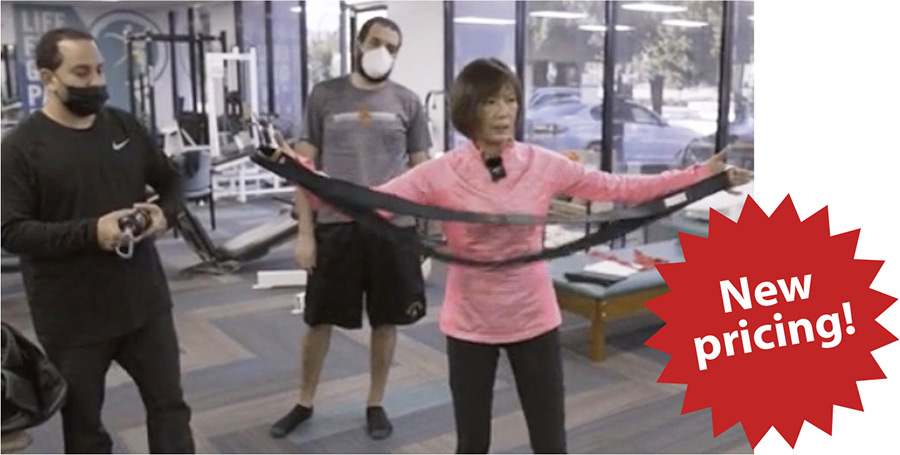
Visit our On-Demand Webinars page for more info and to purchase. Courses: Hypermobility Spectrum Disorder/Ehlers-danos Syndrome, Developmental Kinesiology with the Kayezen Vector, Focus on the Shoulder Complex and Lumbo-Pelvic Hip Complex.

Course Overview — Movement Links Series
This multi-weekend seminar series is designed to provide a deeper understanding of the movement and neuromuscular approaches in the evaluation and management of musculoskeletal pain syndromes. Functional regional interdependence between the muscular, osteoarticular and central nervous system in the regulation of movement will be a focus of discussion and practice.
Participants are trained to perform a systematic evaluation of posture, muscle length, muscle performance and movement patterns to draw relationships between impairments and contributing factors responsible for creating the dysfunction. Clinical reasoning of the evaluation and management process and its integration with manual orthopedic procedures are discussed, along with extensive hands-on practice and feedback. Additionally, participants are shown how to analyze complex movements and skills by breaking its component parts down to functional synergies and impairments.
Upon completion of this entire series, participants will have the option to become certifed clinicians after a formal testing process.
Target Audience: Limited to Physical Therapists, Physical Therapy Assistants.
Course Objectives: CLICK HERE

Staff and participants at a 2024 Movement Links seminar in Pasadena, CA


© 2026 Movement Links Contact Us
Site design: Emilie Pallos Graphic Design